


Serfaus underground – the unique village railway
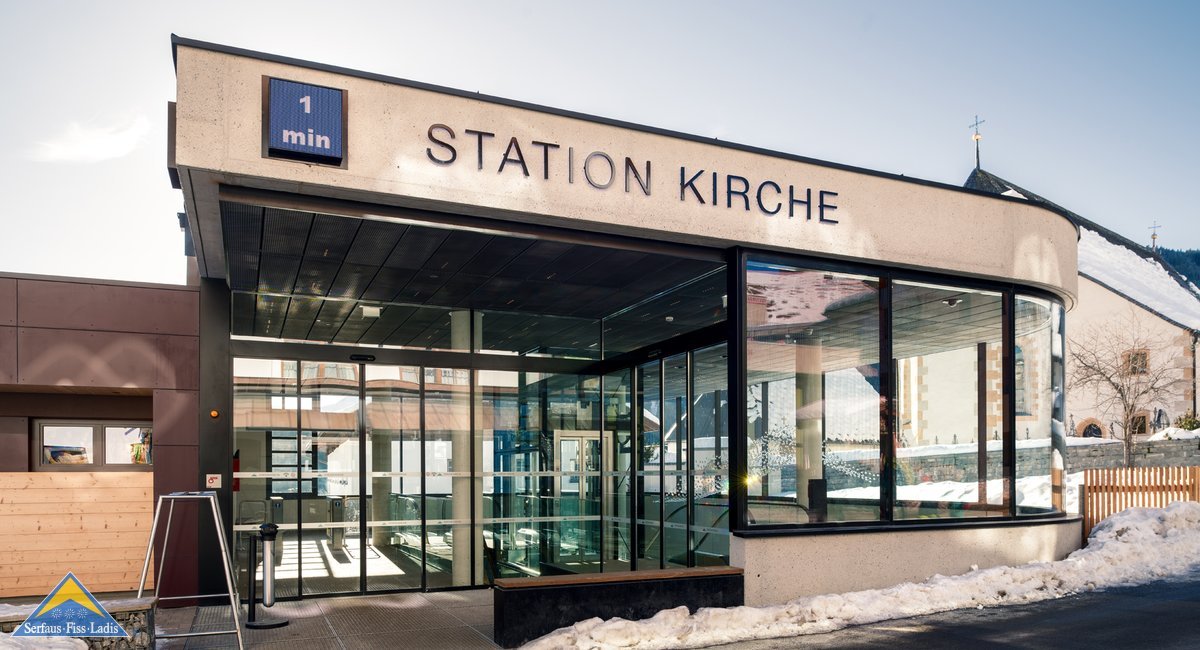
Getting around without a car. Serfaus is truly unique – thanks to the Dorfbahn Serfaus, the world’s smallest and highest-altitude air cushion railway. Running underground for around 1.3 kilometres, it connects the car park at the village entrance with the chuch station, the village centre and the cable cars.
Comfortable, modern & eco-friendly
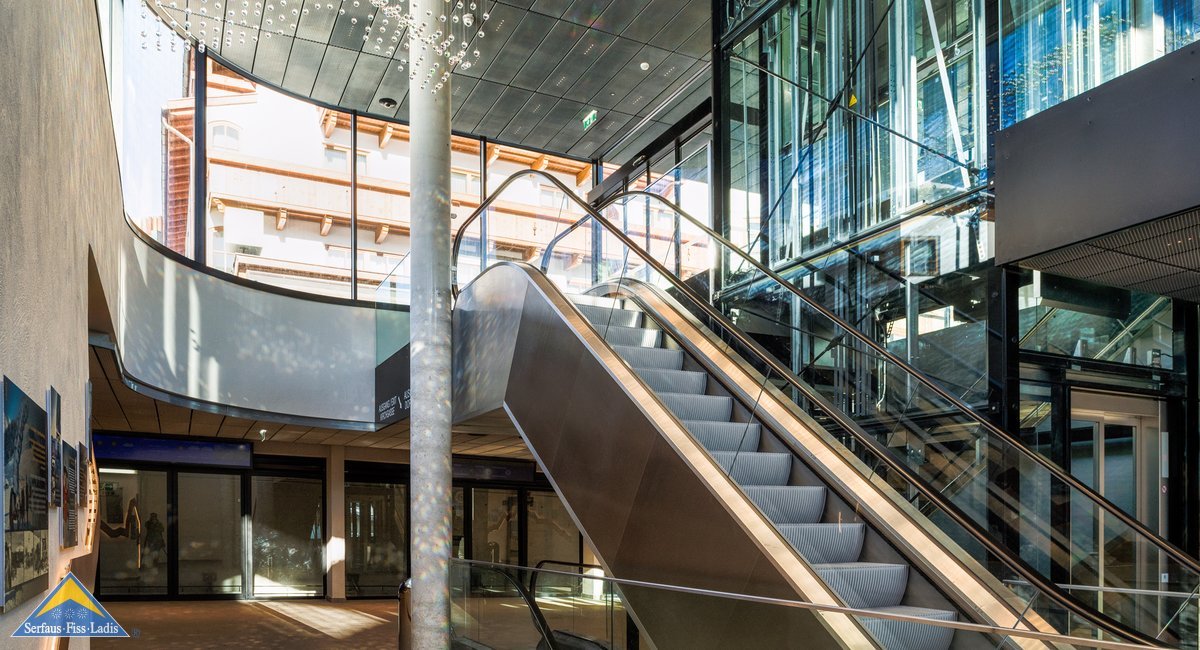
The Serfaus underground links all the key points in the village – quickly, quietly and entirely emission-free. It’s a model of sustainable mobility in the Alps, allowing guests to move around Serfaus comfortably and without a car.
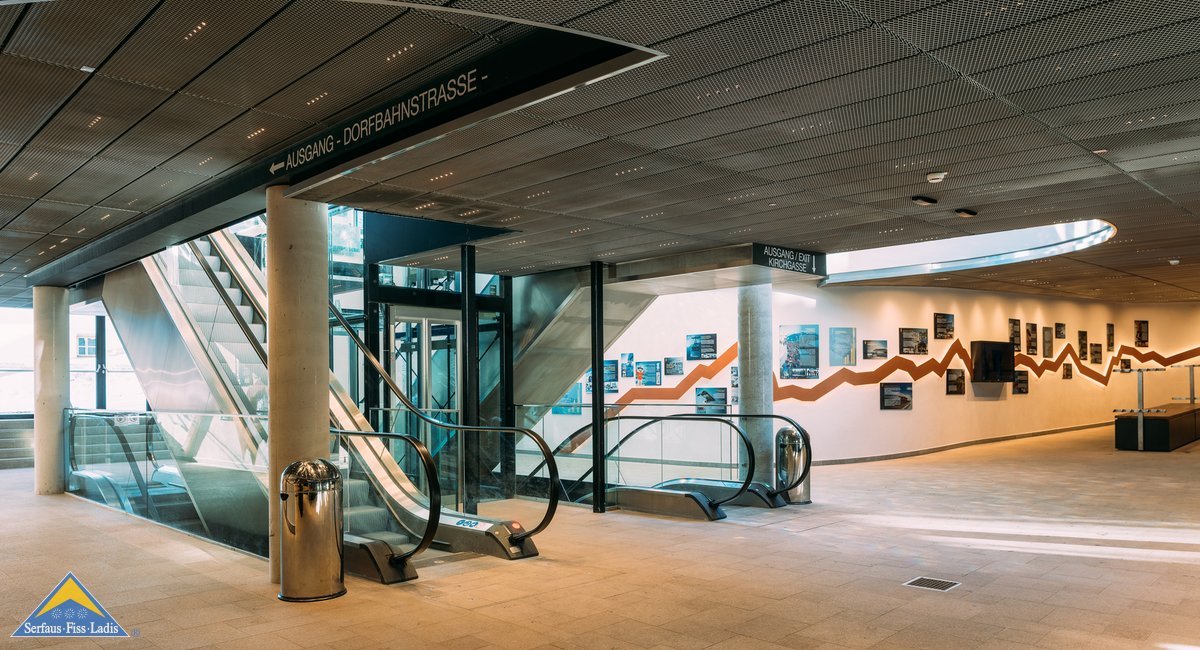
All stations are fully accessible, featuring modern platforms and real-time information systems. The train consists of three interconnected carriages, offering plenty of space, fully automated operation and short intervals between trains.
Advantages for Matinesweg guests
Our house is located just about 200 metres from the church station – ideal for reaching the underground easily and quickly. In just a few minutes, you can reach the cable cars, the ski area or the hiking trails – completely car-free and stress-free.
Your benefits:
- Step-free, fully accessible access at the church station
- No laborious walking
- Fast connection to the cable cars and ski and hiking area
- Free use of the Serfaus underground
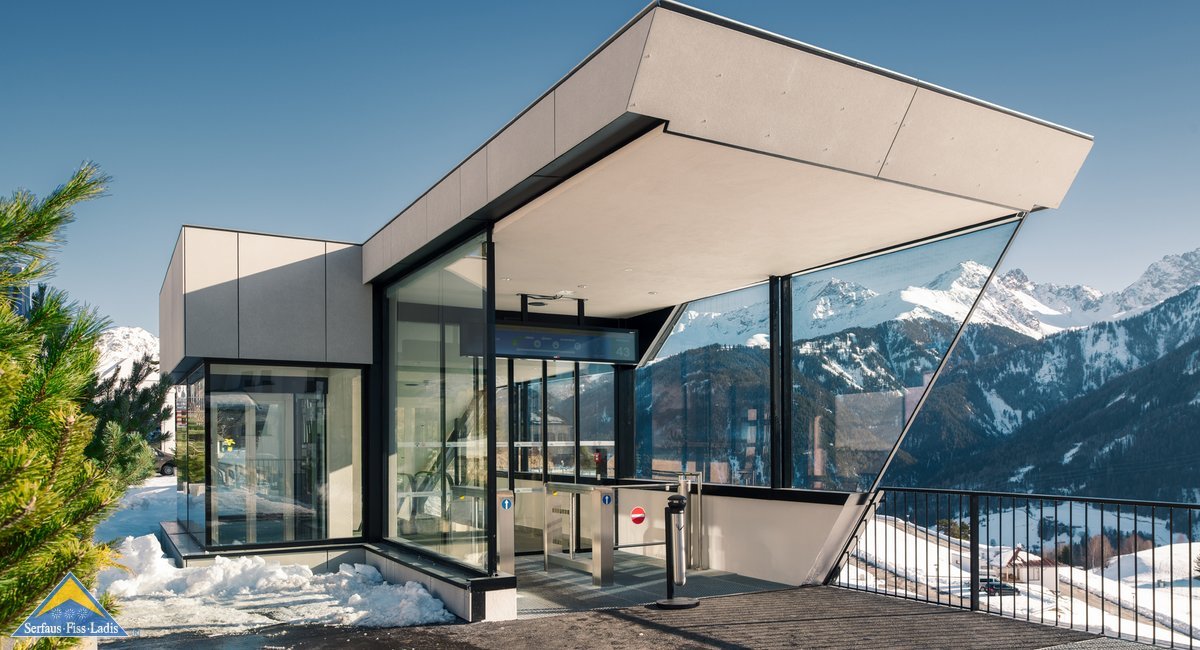
A part of Serfaus history
As early as the 1970s, Serfaus recognised the benefits of a traffic-calmed village centre and soon developed the idea of an innovative transport solution for guests.
In 1985, the Dorfbahn Serfaus went into operation – the world’s first underground air-cushion railway. Combining modern technology, environmental awareness and pioneering spirit, it quickly became a flagship project for sustainable tourism.
Over the following decades, the railway was modernised in several stages, ensuring that it continues today to stand for quiet, clean and efficient transport – preserving the village’s unique character and high quality of life.
At a glance
Why does Serfaus have an underground?
As early as the 1970s, Serfaus recognised that its unique location made it possible to keep the village largely free of traffic – unlike many other resorts, there is no through traffic here. After building a large car park at the village entrance, the municipality introduced a general driving ban. This traffic-calming measure soon became a defining feature of Serfaus and helped establish its reputation as a peaceful and relaxing holiday destination. To transport skiers from both the car park and the village centre to the cable cars, an initial shuttle-bus service was introduced. However, as visitor numbers grew, the increasing bus traffic became unsustainable.
For this reason, the municipal council decided in spring 1983 to look for a new transport solution. After extensive research and planning, they opted for what was, at the time, a truly pioneering solution: an air-cushion railway running in a tunnel beneath the village street.
How many lines or tracks are there?
The Serfaus underground operates on a single track along its entire route and runs fully automatically. For safety and fully automated operation, the tunnel is separated from the platforms by a wall equipped with sliding doors.
How many passengers can the Serfaus underground carry?
The Serfaus underground can carry up to 3,000 passengers per hour.
Technical data of the Serfaus underground (after the renovation)
- Travel interval: 9 minutes
- Train: 3 interconnected carriages in the Serfaus design
- Total train length: 44.5 metres
- Maximum speed: 11 m/s
Technical data (before the renovation)
- Maximum altitude difference along the route: 20.10 metres
- Maximum gradient: 5.35 %
- Haul rope diameter: 29 mm
- Number of rope sheaves: 426
- Transport capacity: 1,800 passengers per hour
- Duration of one operating cycle: 10.8 minutes
- Average annual passengers: approx. 833,000
- Total construction costs: ATS 138.3 million
- Start of construction negotiations: 13 June 1984
- Start of excavation: 9 July 1984
- Delivery of carriages: 30 August 1985
- Start of test runs: 23 September 1985
- Official opening: 14 December 1985
- Last journey before renovation: 22 April 2019
Operating data – from the opening in 1985 until Easter 2019
- Passengers transported: 31.6 million
- Operating hours: 46,750
- Distance travelled: 992,244 km – roughly 25 times around the globe
- Renovation: carried out in several stages beginning after Easter 2019